NEPEAN, OTTAWA / HOMEOWNER GUIDE
Basement Flood Prevention in Nepean
Flood prevention is a collection of connected checks rather than a single product.
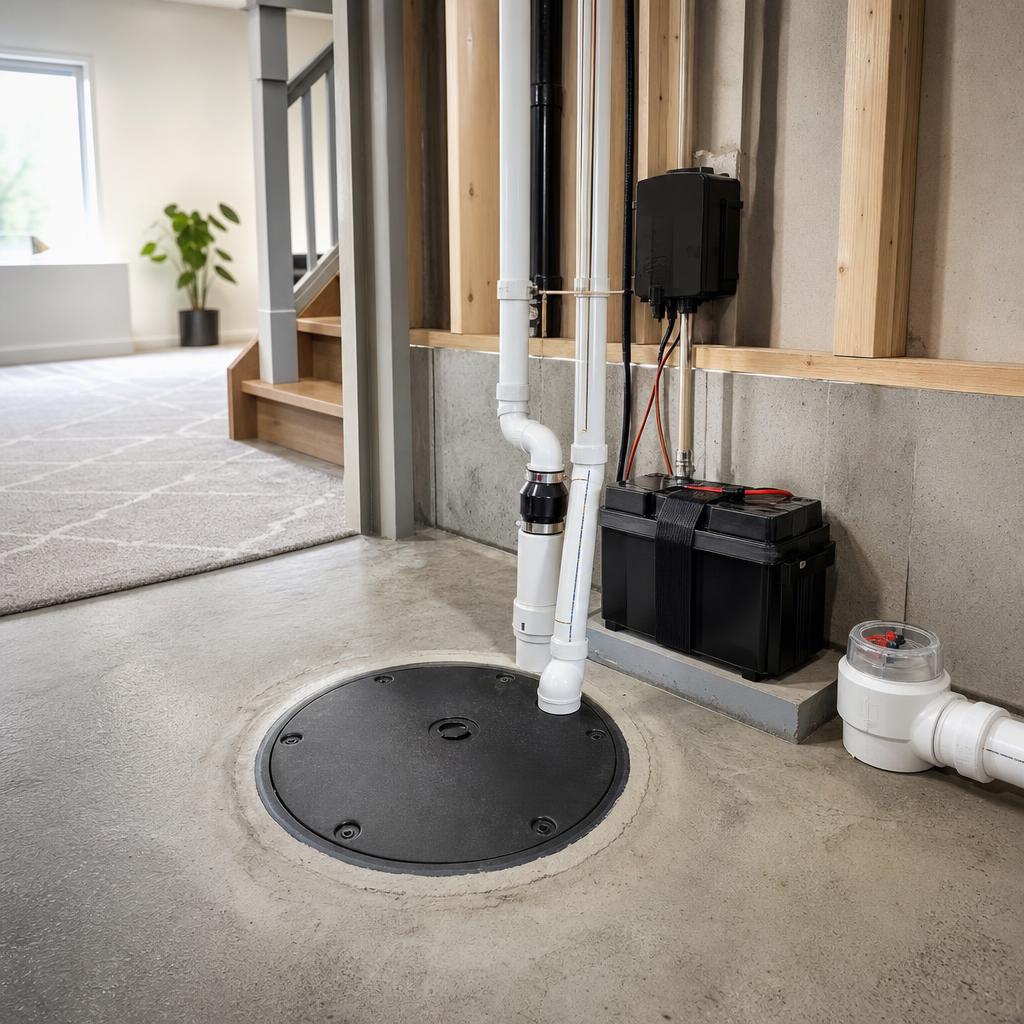
Basement water can enter through several paths: plumbing leakage, sewer surcharge, foundation drainage, surface grading or groundwater. A useful plan addresses the pathway, not only the damage.
Understanding basement flood prevention in a Nepean home
Record where water first appeared and whether it followed rain, thaw, fixture use or a rising sump pit. Sewer backup, surface runoff and groundwater have different pathways; selecting a device before identifying the pathway can leave the real risk untouched.
Safety comes before diagnosis. Active water near electrical equipment, sewage backup, rapidly rising sump water, a burst pipe or an unsafe mechanical-room condition can require prompt action. Do not enter contaminated water, remove safety covers, use open flame on frozen piping or continue operating a fixture that makes water rise elsewhere.
Signs that help describe basement flood prevention
- Water near a floor drain or plumbing fixture
- A sump pit rising during rain or thaw
- Dampness at a foundation wall or floor joint
- Repeat water entry with no single confirmed source
What a careful inspection may consider
- Document where water first appears and under what weather conditions
- Separate sewage or drain backup from clear groundwater
- Review sump, discharge, backwater valve and foundation drainage
- Inspect exterior grading, downspouts and snow accumulation
Questions that shape the written scope
- Immediate risk reduction versus long-term drainage work
- Sump and backup improvements
- Backwater valve assessment and permit process
- Coordination with waterproofing, grading or restoration specialists
Maintenance and prevention planning
- Test sump and backup equipment seasonally
- Direct downspouts and sump discharge away from the foundation as allowed
- Clear snow away from vulnerable foundation areas
- Maintain protective plumbing and accessible floor drains
How to compare basement flood prevention proposals
Prioritize measures against the observed entry route: drainage and grading, sump and backup capacity, or a backwater-valve assessment. Check City of Ottawa program and permit requirements before protective plumbing work begins.
Basement Flood Prevention in Nepean: common questions
What does the City of Ottawa recommend?
City guidance includes maintaining drainage, directing water away from the foundation where appropriate, checking sump systems and considering protective plumbing devices.
Is every wet basement a plumbing problem?
No. Surface water, groundwater and building-envelope issues can resemble plumbing failures. Evidence about timing and water location is important.
Where should planning begin?
Begin with a pathway assessment and safety review, then prioritize measures that address the confirmed or most credible entry routes.
Independent guide and provider disclosure
NepeanPlumber.com is an independent homeowner information resource, not a plumbing company. It does not claim its own plumbers, vehicles, office, licences, response times or guarantees. For visitors who want to contact a service provider, Plumbing Now publishes a Nepean service page. Review the provider’s current claims, credentials, availability and terms directly before hiring.
Research sources
- City of Ottawa — preventing basement flooding
- City of Ottawa — Residential Protective Plumbing Program
- Government of Ontario — Ontario’s Building Code
- Plumbing Now — Nepean plumbing services
Verify current municipal programs, permits and provider information at the linked source before making decisions.
Related guides
Explore related topics and prepare useful details before requesting service.
Prepare a service request · Use the problem finder · All plumbing services