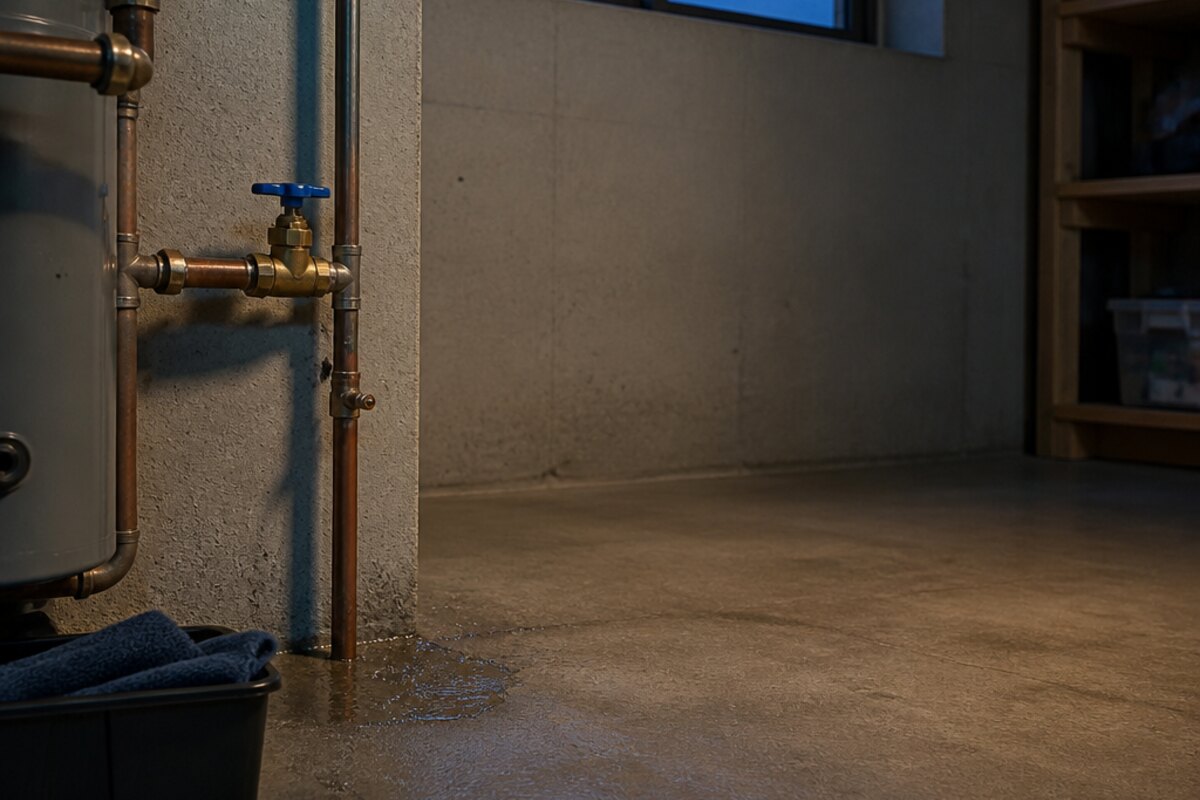
Quick answer: A plumbing emergency is a condition that threatens people, electrical safety, sanitation or fast-moving property damage. If there is sewage, spreading water, a burst pipe or water near electrical equipment, keep people clear and seek appropriate urgent help. Shut off a valve only if it is safe to reach and you know what it controls. NepeanPlumber.com is an information resource, not an emergency dispatch service.
This guide is designed for Ottawa homeowners searching for an emergency plumber or a 24/7 plumber near them. It does not diagnose a hidden fault or promise that a provider is available. Instead, it helps you make a safer first decision, describe the situation accurately and understand the questions to ask before approving work.
Emergency or urgent, but stable?
Search results often treat “emergency plumber” and “24-hour plumber” as interchangeable. For a homeowner, the key distinction is not whether it is evening or a weekend. It is whether waiting could expose someone to danger or let damage progress. A slow drip contained in a bowl may need prompt scheduling. A pressurized line spraying into a wall, a sewage backup across a floor, or water entering an electrical area is a different risk.
Three-step decision
- People safe?Keep away from electrical hazards, sewage and unstable areas.
- Water spreading?Call for urgent professional guidance; isolate only if safe.
- Stable and contained?Document the symptom and arrange an appropriate service visit.
Situations that commonly deserve an urgent response include active flooding that cannot be stopped safely, a burst pipe, wastewater coming back through a drain, rapidly rising sump water, or a leak threatening electrical equipment. A loss of water throughout a home may be a private plumbing problem, but it can also result from planned municipal work, a watermain break or a frozen service. Check notices and City information before assuming the fault is inside your home.
If there is immediate danger to life or a suspected fire, electrical, gas or structural hazard, use the appropriate emergency service. A plumbing company is not a substitute for emergency responders. Do not enter contaminated water or an area where electricity may be present.
What to do in the first minutes
1. Make the area safe before investigating
Move people and pets away from wet or contaminated areas. Do not walk through standing water to reach a breaker panel, pump, appliance or shutoff. Do not touch cords, outlets or electrical equipment that may be wet. If you cannot tell whether an area is safe, stay out and contact the appropriate professional. Avoid trying to find a hidden leak by cutting into a ceiling or wall while water or electricity may still be active.
2. Stop using the affected fixture or drain
If sewage or wastewater is backing up, stop running water and do not flush toilets connected to the affected drainage system. Additional water can worsen the backup. Keep children and pets away, avoid direct contact, and do not pour chemical drain cleaner into a backed-up fixture. If one fixture is affected and others are not, note that distinction; if several lower fixtures are involved, report that pattern.
3. Use a shutoff only when you can do so safely
If water is escaping from a supply pipe and the correct shutoff is dry, visible and easy to reach, turning it off may limit further flow. Do not force a corroded valve, use tools on an unfamiliar valve, or reach into a wet or unsafe space. If the leak is from a fixture, the local fixture valve may stop only that fixture; if the source is unknown, the main shutoff may be relevant. When uncertain, stop and ask for guidance rather than experimenting.
4. Record what you can observe without delaying help
From a safe location, note when the problem began, where water or sewage appears, which fixtures are affected, whether a shutoff was used, and whether the condition is getting worse. Take a few photos or a short video only if it is safe. This can help a provider prepare, but a picture cannot establish the condition of concealed piping. Save receipts and keep a simple timeline for your own records and any insurer contact.
When the issue may be municipal
Not every Ottawa water problem calls for a private emergency plumber. The City of Ottawa explains that a water service interruption can result from planned work, a watermain break or a frozen water service. Its water service interruption guidance recommends checking for a notice and contacting 3-1-1 when there is no water and no notice.
Before booking a private visit for a whole-home loss of water, check whether neighbours are affected, look for a City notice, and review the municipal service page. Do not operate or dig around a curb stop or service post unless directed by the City or a qualified person. If the interruption is confirmed to be inside your property, give the plumber the City information you found and describe whether any fixtures still have flow.
Ottawa also advises residents to close taps before a planned interruption and avoid using hot water until service resumes. When service returns, follow the City’s instructions for clearing air or discoloured water. Keep the water heater and laundry use in mind; do not treat a municipal interruption as proof that the heater itself has failed.
How to choose an emergency plumber in Ottawa
When water is moving, it is easy to feel pressured to authorize the first offer. A short set of questions can establish what the visit includes. Ask whether the company is actually taking calls in your area, what the likely arrival window is, and whether that window is an estimate rather than a guarantee. Ask about the after-hours or emergency call-out fee, travel charge, diagnostic fee and how payment is handled.
Before repair work begins, ask for the observations, the proposed immediate action, the expected price or pricing method, and what is excluded. Emergency containment and permanent repair may be different scopes. If a technician proposes opening a wall, replacing a larger section or adding equipment, ask what evidence supports that scope and whether temporary stabilization is possible while you review the written estimate.
Ask who will perform regulated work and how to verify qualifications. In Ontario, plumbing is a compulsory trade; use the current Skilled Trades Ontario plumber trade information and public register rather than relying on a badge, ad or verbal claim. Request proof of insurance where appropriate. This guide does not verify any individual provider’s credentials, insurance, staffing or availability.
If you are comparing providers, use the same questions with each one. A clear quote identifies the call-out, diagnosis, labour, parts, access, testing, cleanup and any follow-up. A very low phone estimate may omit important steps, while a high quote should still be explained in writing. Do not agree to work you do not understand simply because the visit is urgent.
A short call script
Use a calm, factual description rather than trying to name the failed part:
“I’m in [Ottawa neighbourhood]. At [time], I noticed [what is happening] in [room or fixture]. It is [getting worse / stable]. [Other fixtures] are also affected. I have [not] used a shutoff, and [water is / is not] near electrical equipment. Are you taking calls here now, what is the estimated arrival window and what fees apply before diagnosis?”
If the issue involves sewage, mention that immediately and stop using connected fixtures. If it involves a sump pump, note the water level, whether the pump has power, and whether a backup alarm is sounding—but do not enter a flooded pit or remove a cover. For a suspected frozen line, do not use an open flame or heat gun. The dedicated burst-pipe guide covers safe observations, while the leak guide helps you describe visible and hidden leak patterns.
Readers who want to compare a local provider can review this partner’s emergency plumbing service in Ottawa. NepeanPlumber.com identifies PlumbingNow.ca as a partner; this link is not a review or independent verification. Confirm current availability, credentials, fees, scope and terms directly with the provider.
After the immediate problem is controlled
Ask the attending provider to explain what was found, what remains uncertain, and what was done to stop or contain the problem. Keep the itemized invoice and any photos or reports. If water affected finished materials, ask which party is responsible for drying, restoration, disposal and any return visit; do not assume those tasks are included in a plumbing repair price.
Once the immediate risk is controlled, consider whether the event points to a repeat vulnerability: an inaccessible main shutoff, an aging flexible connector, a sump backup that was never tested, a recurring drain blockage, or exposed pipe near a cold area. The next step may be a targeted repair, a separate inspection or simple maintenance—not automatically a whole-system replacement. Our guides to common plumbing symptoms, seasonal maintenance, sewer concerns and Ottawa-area plumbing topics can help organize follow-up questions.
For insurance, contact your insurer directly and follow the policy’s reporting and mitigation instructions. Coverage depends on the policy and facts of the loss; a service provider or this guide cannot promise reimbursement. Do not delay immediate safety steps while trying to determine coverage.
Ottawa emergency plumbing FAQs
What counts as a plumbing emergency in Ottawa?
Active water that cannot be safely isolated, sewage returning into the home, a burst pipe, rapidly rising water or a condition that creates an electrical or health risk may need prompt professional attention. A complete loss of water can also need urgent investigation, but the City may be responsible for a municipal interruption.
Should I shut off the main water valve?
Only if you can reach and operate the correct valve safely from a dry area. Do not enter standing water or touch electrical equipment to reach a shutoff. If a valve is stuck, leaking or unclear, stop and ask for professional guidance.
What should I ask an emergency plumber before work begins?
Ask about the call-out or after-hours fee, expected arrival window, diagnostic charge, who will attend, what is included in the first visit, and whether you will receive a written price and scope before repair work is authorized.
Does this website dispatch an emergency plumber?
No. NepeanPlumber.com is an independent homeowner information resource. It does not dispatch technicians, promise response times or provide emergency service.