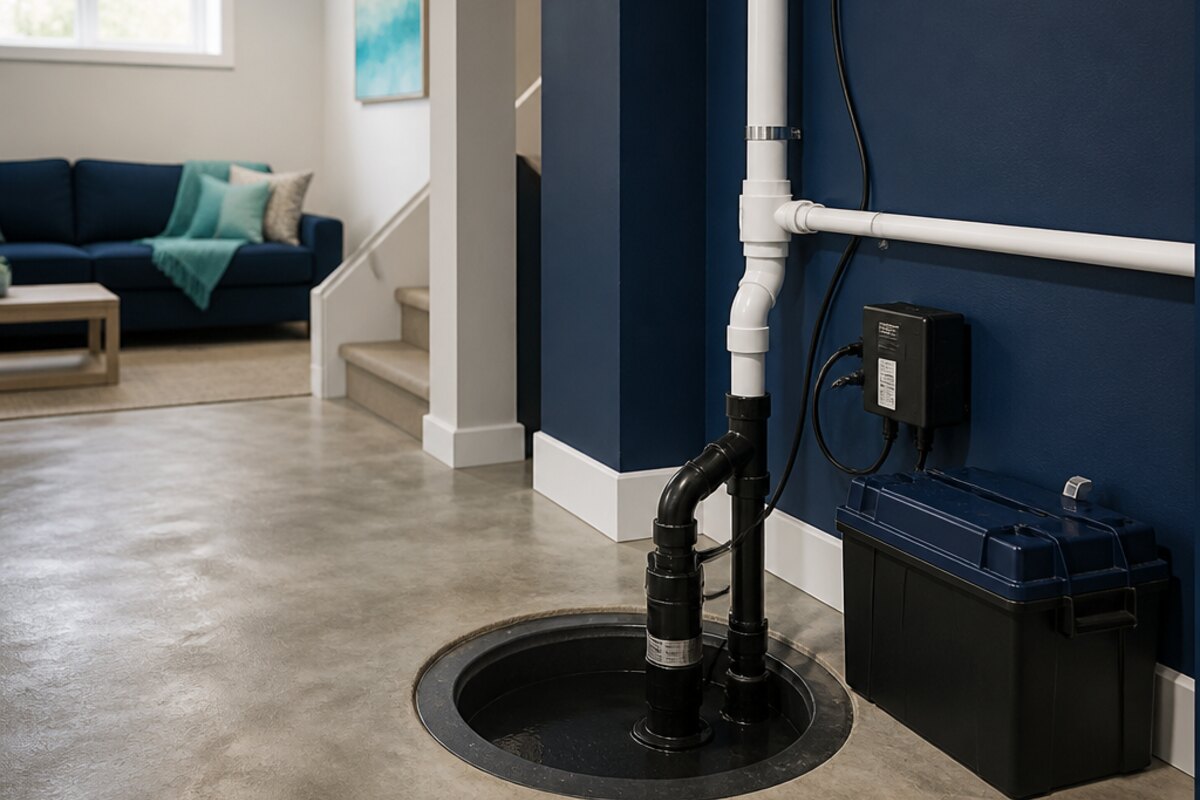
Quick answer: Ottawa’s Residential Protective Plumbing Program lists rebates for qualifying backwater valves, sump pumps and eligible plumbing permit fees. Published maximums currently range from $1,000 for some indoor valves to $3,000 for a sump pump with backup power and a newly constructed pit. The City reimburses the lesser of the maximum or eligible work cost, and approval is not automatic. Confirm the live requirements and timing with Ottawa before work starts.
This guide focuses on practical homeowner questions behind searches such as “Ottawa sump pump rebate,” “backwater valve rebate Ottawa” and “basement flood protection grant.” The source is the City program page, checked October 25, 2026. Program rules can change, and the City page itself contains a conflicting application deadline that this article flags below rather than resolving by guesswork.
What Ottawa’s protective plumbing program covers
The City describes its Residential Protective Plumbing Program as financial assistance for eligible residential properties installing devices intended to reduce basement flooding from City sewer backup or related protective-plumbing risks. The current list includes indoor sanitary and storm backwater valves, outdoor storm backwater valves, and primary or secondary sump pumps with battery backup or connection to a whole-home generator. Permit fees for plumbing work may also be eligible under the program’s published terms.
A rebate is not a general coupon for any basement work. The program distinguishes a new protective-plumbing installation from maintenance, repair or replacement of a device already in place. It also requires application documents and a permit/inspection trail. The City’s Residential Protective Plumbing Program page is the controlling source for the current form, rules and application path.

Current maximum Ottawa rebate amounts
The amounts below are maximums shown on the City program page at the time this guide was checked. They are not guaranteed payments or contractor prices. The City states that the rebate is the lesser of the listed maximum or the cost of the work.
| Eligible work listed by City | Published maximum | Important condition |
|---|---|---|
| Indoor sanitary backwater valve | $1,000 | Eligibility can depend on property age and other program rules. |
| Indoor storm backwater valve | $1,000 | Confirm device type and eligibility with the City. |
| Outdoor storm backwater valve | $2,500 | Confirm the applicable permit and property conditions. |
| Primary or secondary pump with battery backup in an existing pit | $1,500 | Must fit current program requirements. |
| Primary or secondary pump with backup in a newly built pit | $3,000 | The new-pit condition matters; do not assume this amount for a replacement. |
| Plumbing building permit fee | 100% of current fee | Limited to the plumbing portion and current program terms. |
The City page also lists qualifying pumps connected to a whole-home generator at the same published maximums as the corresponding pit category. It is worth confirming this directly if the design uses a generator rather than a battery backup. Electrical work and inspection may be involved, and the program page calls for a Whole Home Generator Review form when an application includes a generator connection.
Before you count on a rebate
- Confirm deviceValve type, pump, backup method and existing or new pit.
- Confirm propertyOttawa location, build date and program eligibility.
- Confirm paperworkPermit, inspection, paid invoice and application deadline.
Eligibility and property age
The current City program page says a property may qualify when it is a residential unit within the City of Ottawa and the installation meets the program conditions. For a stormwater backwater valve, the published property-age threshold is a home built before January 1, 2004. For a sanitary backwater valve, the published threshold is before January 1, 2012. A device installed by the City is not eligible for another rebate under this program.
Those dates are screening criteria, not a promise of approval. A project may involve more than one device, different work categories or a permit requirement. Ask the City to confirm the property’s relevant category and whether the proposed work can be submitted before you sign a contract. If ownership or construction records are unclear, resolve that before the project begins.
The program page specifically says it does not cover maintenance, repair or replacement of an existing protective plumbing device. A failed sump pump may still need prompt attention, but do not treat a repair or replacement as rebate-eligible just because a new pump is installed. Get a written answer from the City if you believe the situation fits another eligible category.
A practical application sequence
- Read the live program page and application. Confirm device categories, current amounts, dates and required documents. Save a dated copy or notes of the requirements you relied on.
- Discuss the problem with a qualified professional. Ask what risk the device addresses, what has been observed at the property, which alternatives are relevant, and what the proposed scope includes. The City says to discuss device options with one or more licensed professionals, such as a plumber, contractor or electrician.
- Confirm permit and inspection steps before construction. The program’s listed process includes obtaining the required building permit before construction or renovation, then arranging inspection after work is complete. Do not assume a contractor’s verbal description replaces a permit determination.
- Keep an itemized paper trail. Retain the permit, inspection report, paid itemized invoice and proof of ownership. If generator work is included, keep the required generator review form and inspection evidence. Ask the provider to separate eligible plumbing work from unrelated repairs or upgrades on the invoice.
- Apply within the confirmed deadline. Submit the City application and supporting documents using its current online or paper process. Keep a copy of everything submitted and any confirmation number.
Do not make a purchase decision based only on the maximum rebate. Compare the full installed scope, access needs, power backup, discharge route, testing, maintenance, cleanup and any work that is not eligible. The Nepean sump pump installation guide, backwater valve planning guide and plumbing cost guide help frame those questions without inventing a local fixed price.
A deadline detail to verify before relying on it
As checked on October 25, 2026, the City’s program page contains inconsistent timing language. The eligibility section says an update effective July 1, 2026 extends the period for completing the work and receiving the rebate application from 12 months to 18 months. The same page’s application section still says to submit within 12 months of the building permit issue date. Because both statements appear on the official page, do not assume which text controls your project.
Before scheduling work or counting on reimbursement, contact the program using the current City contact details and ask which deadline applies to your permit date. Request a written response or retain a screenshot of the official guidance you receive. This article deliberately calls out the discrepancy instead of silently repeating one value. If the City updates its page, use the latest official wording and update this guide.
Ask about timing for the building permit, work completion, inspection and application separately. “Eighteen months” might refer to more than one step; the City’s page describes the updated timeframe as applying to completion and receipt of the application. Verify how the start date is calculated and whether any exceptions apply before authorizing work.
Rebate devices are one part of basement flood prevention
A backwater valve is intended to limit reverse flow from a sewer under certain conditions. A sump pump moves groundwater collected in a sump pit. They address different pathways and should not be treated as interchangeable products. A device that is useful at one property may be unnecessary or unsuitable at another. Ask a qualified professional to identify the observed risk, discuss access and maintenance, and explain what the device cannot prevent.
The City’s basement flood prevention guidance also covers grading, downspouts, keeping debris out of drains, directing foundation drains appropriately, clearing snow from the foundation and maintaining existing protective devices. Its guidance says sump discharge should connect to the storm sewer or discharge to ground at least 1.2 metres from the foundation; confirm the current rules and exact site design rather than improvising a discharge path.
Do not connect sump pumps, foundation drains or downspouts to the sanitary sewer where prohibited. Avoid entering a flooded basement or touching a sump system if water may have reached electrical equipment. For a currently flooding home, safety and damage control come before rebate paperwork. Use our basement flood prevention hub, sump pump failure guide and maintenance checklist for related planning.
Readers who want to compare local service options can review this partner’s Ottawa plumbing service information. NepeanPlumber.com identifies PlumbingNow.ca as a partner resource; this page does not rate the company or independently verify its claims. Confirm current qualifications, scope, price, availability and rebate experience directly with the provider and City.
Ottawa flood rebate FAQs
How much is the Ottawa sump pump rebate?
The City currently lists maximums of $1,500 for qualifying primary or secondary sump pumps with battery backup in an existing pit, and $3,000 where a new pit is constructed. The rebate is limited to the eligible work cost and program rules. Confirm the current amount and eligibility directly with Ottawa before starting.
How much is the Ottawa backwater valve rebate?
The City lists maximums of $1,000 for an indoor sanitary or storm backwater valve and $2,500 for an outdoor storm backwater valve. The lesser of the maximum and the cost of eligible work applies.
Can I claim a rebate for repairing an existing sump pump?
The City says rebates are not available for maintenance, repair or replacement of an existing protective plumbing device. Review the current program page and application before authorizing work.
How long do I have to apply?
The City program page contains conflicting text: it says an update effective July 1, 2026 extends the period from 12 to 18 months, while other application instructions still say 12 months. Confirm the deadline with the City in writing before relying on a timeframe.